
Utah Goldmines
The History of Gold Mining in Utah
Gold mining in Utah has a rich and storied history, beginning long before the state officially became part of the United States. The first discovery of gold in Utah is often credited to members of the U.S. Army's Mormon Battalion in 1848, near the now-abandoned town of Gold Hill in Tooele County. This discovery was small, and it did not ignite a rush; instead, it was the subsequent discoveries that laid the foundation for Utah's gold mining industry.The early days of gold mining in Utah were dominated by individual prospectors and small-scale operations. These pioneers were often isolated, struggling against the harsh desert environment and limited access to supplies. However, as the 19th century progressed, larger groups of miners began to organize, and more structured mining operations took root. These early miners used basic methods such as panning and sluicing to recover gold, focusing on placer deposits found in rivers and streams.
Control and Expansion of Gold Mining in Utah
As gold mining in Utah developed, control over the industry shifted from individual prospectors to larger corporations. The advent of more advanced mining techniques and the need for significant capital to develop deeper mines meant that wealthy individuals and companies increasingly controlled the industry. By the late 1800s, major mining companies like the Utah Copper Company and the United States Mining Company began to dominate the scene, with large-scale operations that required extensive infrastructure and investment.The control of gold mining in Utah was further solidified by the construction of railroads, which facilitated the transport of ore to smelters and markets. This allowed for the development of more remote and previously inaccessible mining areas, expanding the scope and scale of gold production in the state.
Major Gold Mining Areas in Utah
Utah's most productive gold mining areas were primarily located in the western and central parts of the state. The Oquirrh Mountains, particularly in the Bingham Canyon area, became one of the most significant gold-producing regions in Utah. The Bingham Canyon Mine, known more for its copper production, also yielded substantial amounts of gold as a by-product.Other notable gold mining areas included the Mercur mining district in Tooele County, which became one of the largest gold-producing areas in Utah by the late 19th century. The Tintic mining district in Juab County and the Gold Hill area in Tooele County were also important centers of gold production.
Types of Gold Found and Major Mines
Utah's gold deposits were diverse, with both placer and lode gold being found in the state. Placer gold, typically in the form of small flakes and nuggets, was recovered from riverbeds and streambeds, particularly in the early days of mining. However, the majority of Utah's gold production came from lode deposits, where gold was found embedded in rock formations.The Mercur Mine was one of the most significant gold mines in Utah, known for its rich lode deposits and its use of the cyanide process for gold extraction. This process revolutionized gold mining in the region, allowing for the efficient recovery of gold from low-grade ores. Other major mines included the Bingham Canyon Mine, which, while primarily a copper mine, produced significant amounts of gold as a by-product, and the Tintic mining district, known for its lode gold deposits.
Success and Techniques in Gold Mining
The most successful gold mining operations in Utah employed a variety of techniques, depending on the type of deposit and the geography of the area. In the early days, placer mining methods such as panning, sluicing, and rocker boxes were commonly used by individual prospectors. However, as the industry evolved, more advanced techniques became prevalent.The cyanide process, which was first used in Utah in the late 19th century, became the most successful method for extracting gold from low-grade ores. This chemical process allowed miners to recover gold from ores that were previously considered too low in concentration to be economically viable. Deep rock mining also played a crucial role, particularly in areas like Mercur and Bingham Canyon, where gold was extracted from underground lodes.
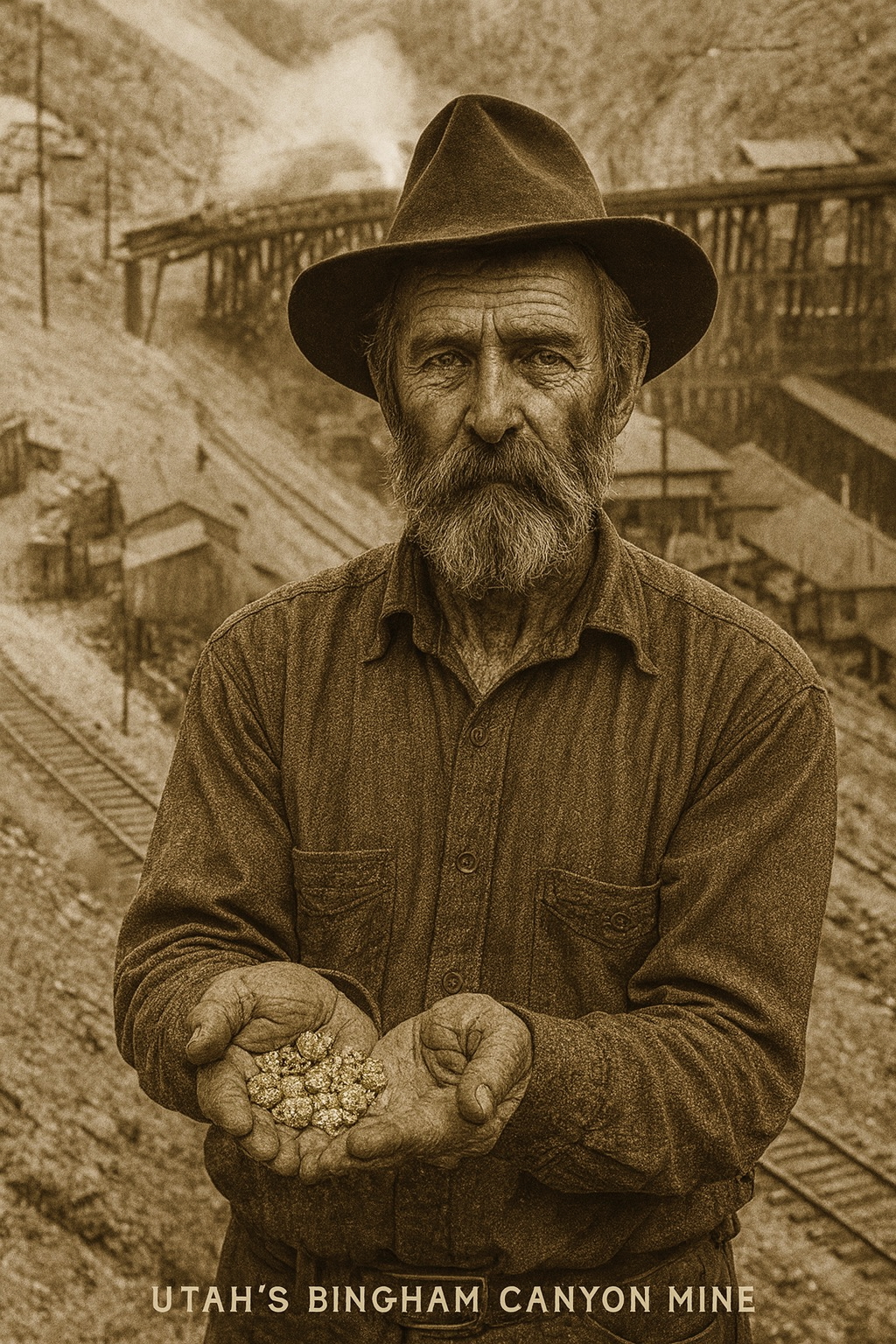
By-product gold mining, where gold was recovered as a secondary product from copper and other metal mining, was also significant in Utah, particularly in the Bingham Canyon Mine. This method contributed to Utah's overall gold production, making it one of the top gold-producing states in the U.S.
Famous Gold Strikes and Veins
Utah is home to several famous gold strikes and veins that contributed to the state's mining heritage. The Mercur mining district, for example, is renowned for its rich lode gold deposits, which were among the largest in the state. The area produced millions of ounces of gold, making it one of the most significant gold mining districts in the Western United States.Another notable gold strike occurred in the Gold Hill area in Tooele County, where prospectors found high-grade gold veins that attracted miners from all over the region. The Bingham Canyon Mine, while primarily known for its copper, also yielded significant amounts of gold, particularly during the early 20th century when gold prices were high.
Gold Distribution and Economic Impact
Gold mined in Utah has historically been sold to refineries, where it is processed and purified before being sold on the global market. Much of the gold from Utah has been used to mint coins, particularly during periods of high gold production in the late 19th and early 20th centuries. Gold from Utah has also been used in jewelry, industrial applications, and as an investment commodity.In terms of economic impact, gold mining in Utah has provided livelihoods for thousands of workers over the years. While the profitability of gold mining has fluctuated with changes in gold prices, many miners in Utah have been able to make a good living, particularly during periods of high demand for gold. However, working conditions in the mines have varied, with some miners facing difficult and dangerous conditions, especially in the early days of underground mining.
Environmental Costs of Gold Mining
The environmental costs of gold mining in Utah have been significant. The use of mercury and cyanide in gold extraction, particularly in the late 19th and early 20th centuries, led to the contamination of soil and water in many mining areas. Additionally, the physical disruption caused by open-pit mining, particularly in the Bingham Canyon Mine, has had a lasting impact on the landscape.Reclamation efforts have been undertaken in many areas to mitigate these environmental impacts, but the legacy of gold mining in Utah is still visible in the form of abandoned mines, tailings piles, and contaminated water sources.
Gold Mines in Utah: Closed and Active
Over the years, many gold mines in Utah have closed due to depletion of resources, economic factors, or environmental concerns. The Mercur Mine, once one of the largest gold producers in the state, ceased operations in the early 20th century, although it was briefly reopened in the 1980s before closing again. The Gold Hill area also saw a decline in mining activity after its initial boom in the late 19th century.However, some gold mining operations in Utah are still active today. The Bingham Canyon Mine continues to produce gold as a by-product of its copper mining operations, making it one of the few remaining active gold mines in the state. Other smaller mining operations also exist, primarily focusing on reprocessing old mine tailings or exploring new deposits.
Gold Coins Minted in Utah
During the late 19th century, when gold mining in Utah was at its peak, several private mints in the state produced gold coins. These coins were often used as a local currency in mining communities, particularly during times when U.S. currency was scarce. The most famous of these private mints was the Deseret Mint, which produced gold coins in various denominations, including $5, $10, and $20 pieces.Today, these coins are highly sought after by collectors, both for their historical significance and their intrinsic value. While no official U.S. Mint gold coins were produced in Utah, the state's private mints played an important role in the local economy during the height of the gold rush.
The Current State of Gold Mining in Utah
Today, gold mining in Utah is a shadow of its former self. The large-scale operations that once dominated the industry have largely ceased, with only a few mines still producing gold. However, the state's rich mining heritage continues to attract hobbyists and small-scale prospectors who pan for gold in Utah's rivers and streams.Gold mining has left an indelible mark on Utah's history, shaping the development of the state and contributing to its economic growth. While the environmental and social impacts of mining are still being addressed, the legacy of Utah's gold rush era remains a fascinating chapter in the history of the American West.
Source: U.S. Geological Survey, Major mineral deposits of the world, Open-File Report 2005-1294. Data portal