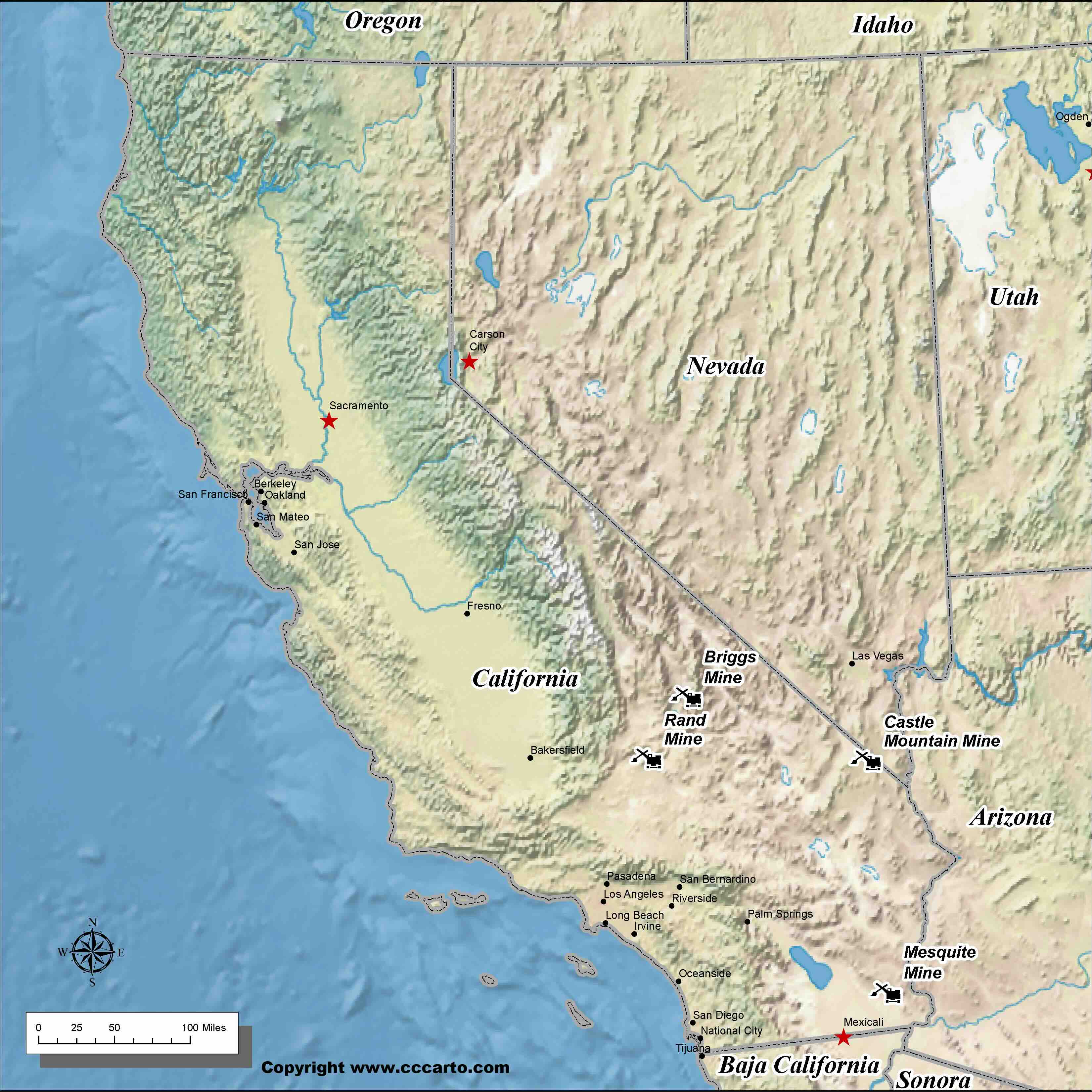
California Gold Mines Map
California's gold mining history is deeply intertwined with the state's development and economy. The story begins in January 1848 when James W. Marshall discovered gold at Sutter's Mill in Coloma, sparking the California Gold Rush. This event drew thousands of fortune seekers from around the world, known as "forty•niners," who sought their fortunes in the gold fields of California.
Initially, individual miners and small groups were the first to engage in gold mining, using simple tools like pans, rockers, and sluices to extract gold from rivers and streams. However, as the rush intensified, larger corporations and mining operations began to dominate. Companies like the California Gold Mining Company and the Mariposa Mining Company played significant roles in organizing and capitalizing on the gold rush.
Several regions in California became renowned for their productive mines. The Sierra Nevada foothills, particularly around Grass Valley, Nevada City, and Downieville, were prolific in both placer and hard rock mining. The Mother Lode region, stretching roughly from Mariposa to El Dorado counties, also yielded substantial amounts of gold.
Major mines in California included:
• Sutter's Mill (where the first gold was discovered)
• Grass Valley Mine (a major hard rock mine)
• Malakoff Diggins (known for hydraulic mining)
• Homestake Mine (produced substantial amounts of gold)
• Empire Mine (one of the oldest, largest, and richest gold mines)
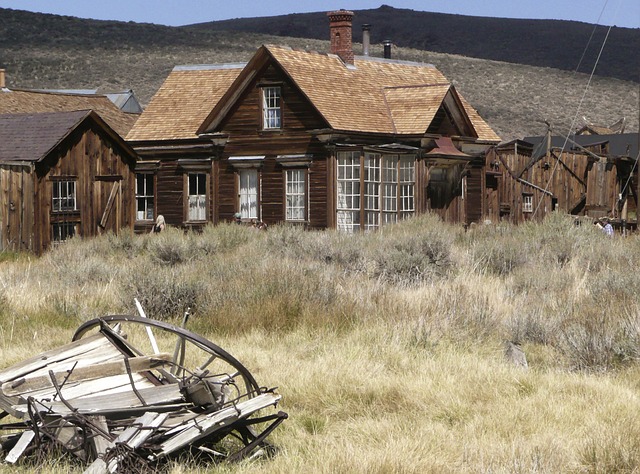
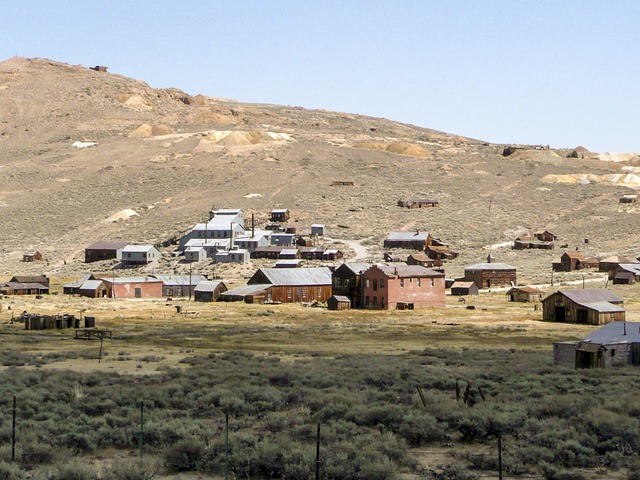
• Standard Consolidated Mine – The Standard Consolidated mine was the most productive operation in the historic Bodie Mining District and one of the richest gold strikes in California history. The mine is located in Mono County, California and is situated high in the Bodie Hills east of Highway 395. The mine is now managed by California State Parks and operated primarily from 1877 to 1942, yielding nearly $18 million in gold and silver. Ore was crushed locally at the massive Standard Stamp Mill, and the resulting bullion was transported under armed guard to Carson City, Nevada, to be minted there or forwarded by rail to the San Francisco Mint.
• Original Sixteen to One Mine – The Sixteen to One is one of the most famous high-grade underground gold mines in the Northern Mines district, known for producing spectacular crystallized gold specimens rather than just ore. The mine is located in Alleghany, Sierra County, and is situated deep within the Tahoe National Forest. The mine is currently held by the Original Sixteen to One Mine, Inc. and operated continuously from 1896 through the late 20th century, yielding over 1 million ounces of gold, which was often processed on-site before being shipped to San Francisco.
• Yellow Aster Mine – The Yellow Aster was the premier producer of the Rand Mining District and sparked a rush in the high desert. The mine is located in Randsburg, Kern County, and sits on the side of Rand Mountain off Highway 395. The mine has some desolate neighbors preserved alongside it. To the east is the living ghost town of Randsburg and to the south is the rich silver district of Red Mountain. The mine was owned by the Yellow Aster Mining and Milling Company and operated primarily from 1895 to 1933, producing over $12 million in gold that was refined at large stamp mills on the property before being transported by rail to Barstow.
• Eagle Mining Company – The Eagle Mine is a smaller hard-rock operation that became one of the most well-preserved examples of southern California gold mining. The mine is located in Julian, San Diego County, and is nestled in the Volcan Mountain range. The mine is now a tourist destination offering tours and operated chiefly from 1870 to 1934, contributing to the district's estimated $5 million in production which was often freighted by wagon to San Diego.
• Malakoff Diggins – The Malakoff Diggins was the largest hydraulic mining operation in the world and the site of California's most famous environmental battle. The mine is located in Nevada County, California and is situated in the foothills northeast of Nevada City. The mine was owned by the North Bloomfield Gravel Mining Company and operated at its peak from 1866 to 1884, washing away over 41 million cubic yards of earth to retrieve millions in gold before a federal court injunction halted the debris.
• Cherokee Hydraulic Mine – The Cherokee mine was a unique hydraulic pit famous for producing not just gold, but also the first diamonds found in the United States. The mine is located in Butte County, California and sits atop the flat-topped lava flow known as Table Mountain north of Oroville. The mine was run by the Spring Valley Mining Company and operated heavily from the 1870s until the late 1880s, producing approximately $13 million in gold which was shipped to the San Francisco Mint.
Types of mining varied over time, reflecting technological advancements and environmental impacts:
• Placer Mining: Initially, miners used pans, rockers, sluices, and later dredges to extract gold from rivers and streams.
• Hydraulic Mining: Used high-pressure water jets to wash away hillsides and extract gold from gravel deposits.
• Hard Rock Mining: Involved digging tunnels and shafts to reach gold-bearing quartz veins deep underground.
• By-product Mining: Extracted gold as a by-product of other metals like copper and silver.
The most successful methods varied by era and region, with hydraulic mining becoming particularly widespread and productive in the mid•19th century due to its efficiency in extracting gold from large volumes of gravel.
Famous and rich gold strikes and gold nuggets include:
• Mariposa Vein: Discovered in 1849, it was one of the earliest and richest gold strikes.
• Mother Lode: A 120-mile-long gold-bearing quartz vein that yielded immense wealth.
• Grass Valley: Known for its deep, rich gold-bearing quartz mines.
• The Carson Hill Nugget – The Carson Hill Nugget (also known as the Morgan Nugget) was the largest mass of gold ever discovered in California history. The nugget was located in Calaveras County, California and was pulled from the Morgan Mine near the town of Angels Camp. The nugget was discovered by a remarkably lucky prospecting party in 1854 and weighed a staggering 195 pounds troy, but like most great finds of the era, it was unfortunately melted down for its monetary value shortly after discovery.
• The Monumental Nugget – The Monumental Nugget was the second-largest single piece of gold ever recorded in the state. The nugget was located in Sierra County, California and was found on the slopes of the Sierra Buttes near Sierra City. The nugget was unearthed by miners in 1869 at the Monumental Mine and weighed approximately 103 pounds (avoirdupois). It was briefly displayed in San Francisco to amazed crowds before being processed into $17,000 worth of coin.
• The Fricot Nugget – The Fricot Nugget is widely considered the most beautiful and largest surviving crystalline gold nugget from the Gold Rush era. The nugget was located in El Dorado County, California and was discovered at the grit mine in Spanish Dry Diggings. The nugget was found in 1865 and weighs 13.8 pounds; unlike its larger cousins, it was saved from the melting pot and is now the crown jewel of the California State Mining and Mineral Museum in Mariposa.
• The Mojave Nugget – The Mojave Nugget is the largest gold nugget found in modern times using a metal detector. The nugget was located in Kern County, California and was discovered in the Stringer District near the town of Randsburg. The find has some arid neighbors on each side of it. The nugget was found by prospector Ty Paulsen in 1977 and weighs 156 troy ounces (nearly 11 pounds), serving as a reminder that massive gold deposits still exist in the desert soil today.
Cities such as San Francisco, Sacramento, and Stockton grew rapidly due to their proximity to the gold fields and their roles as supply centers for miners.
Gold mined in California is typically sold through various channels, including refineries, dealers, and directly to consumers or investors. Much of it ends up in the global gold market, where it is used for jewelry, investment, and industrial purposes.
Today, gold mining in California is regulated and operates under strict environmental laws to mitigate past damages. While some mines have closed due to economic factors or environmental concerns, others remain active, albeit on a smaller scale compared to the heyday of the gold rush.
Environmental costs of historic mining include deforestation, erosion, and mercury pollution from early extraction methods. Efforts continue to reclaim and restore affected areas.
Regarding living conditions and earnings, modern miners in California typically earn competitive wages, though exact figures vary based on the type of mining and employer. Safety and environmental regulations ensure better working conditions compared to the 19th century.
Several gold coins have been minted in California, notably during the Gold Rush era when private mints produced coins like the California Gold Rush fractional coins.
Overall, California's gold mining legacy is rich with history, economic impact, and ongoing environmental stewardship.
Major California Gold Mining operations are listed below and on the above map. Smaller gold mining mine operations which are not show or listed are the - Bully Choop Mine, Hayden Hill Mine, Cole Cash Mine, Sixteen to One Gold Mine, Red Ledge Mine, Hoffman Mine, Timm Mine, Cal Sierra Mine, McLaughlin Mine Sutter Creek Mine and the Colorado Quartz Mine.
Mesquite Gold Mine - The Mesquite mine is one of the largest open pit gold mines in the United States. The mine is located in Imperial County, California and is above Highway 78. The mine has some unique neighbors located on each side of it. To the south is the 4000 acre Mesquite Landfill and to the north is the Chocolate Mountains Aerial Gunnery Range. The mine is now run by NewGold and was closed for awhile until NewGold re-opened it in 2007.
Briggs Gold Mine - The Briggs Mine is a open pit mine in Inyo County, California. The mine opened in 1995 and is run by Briggs. The mine is located about 50 miles east of the town of Ridgecrest near Death Valley in the neighboring Panamint Valley.
Rand Mine - Historic mine and mining region near Johannesburg/Randsburg area of California. The famous mine is now owned by the Glamis Gold Inc. on BLM land. Much of the land around this mine is on BLM land and can be still mined today. The three mines that originally made up the Rand Mine and the Yellow Aster, Lamont, and the Baltic. Dozens of other mines and claims are in the area including the Little Butte Mine, Gold Crown Mine, King Solomon Mine, Lamont Pit, Oro Fino, Treasure Hill Mining and many other claims and gold mines. You can still stake and locate a claim or site with the BLM.
Castle Mountain Mine - This is a abandon open pit gold mine that was once owned and operated by the Viceroy Resource Company. The mine is in far eastern San Bernardino County, California near the Nevada State border. The location of this mine can be found here. This desert location is a popular spot for people that have four wheel drive vehicles and like visiting history ghost and mining towns and points of interest in this extreme desert region near the Mojave National Preserve. Other small historic mines near Castle Mountain Mine include the historic gold mining town of Vanderbilt, Morning Star Mine, Standard Mine No. 2. and many other smaller shaft mines.
A map showing all major and minor gold mines in California can be viewed at the state geologic website.
More interesting California gold mining facts and pictures can be found at the California Geological Survey page.
Source: U.S. Geological Survey, Major mineral deposits of the world, Open-File Report 2005-1294. Data portal