
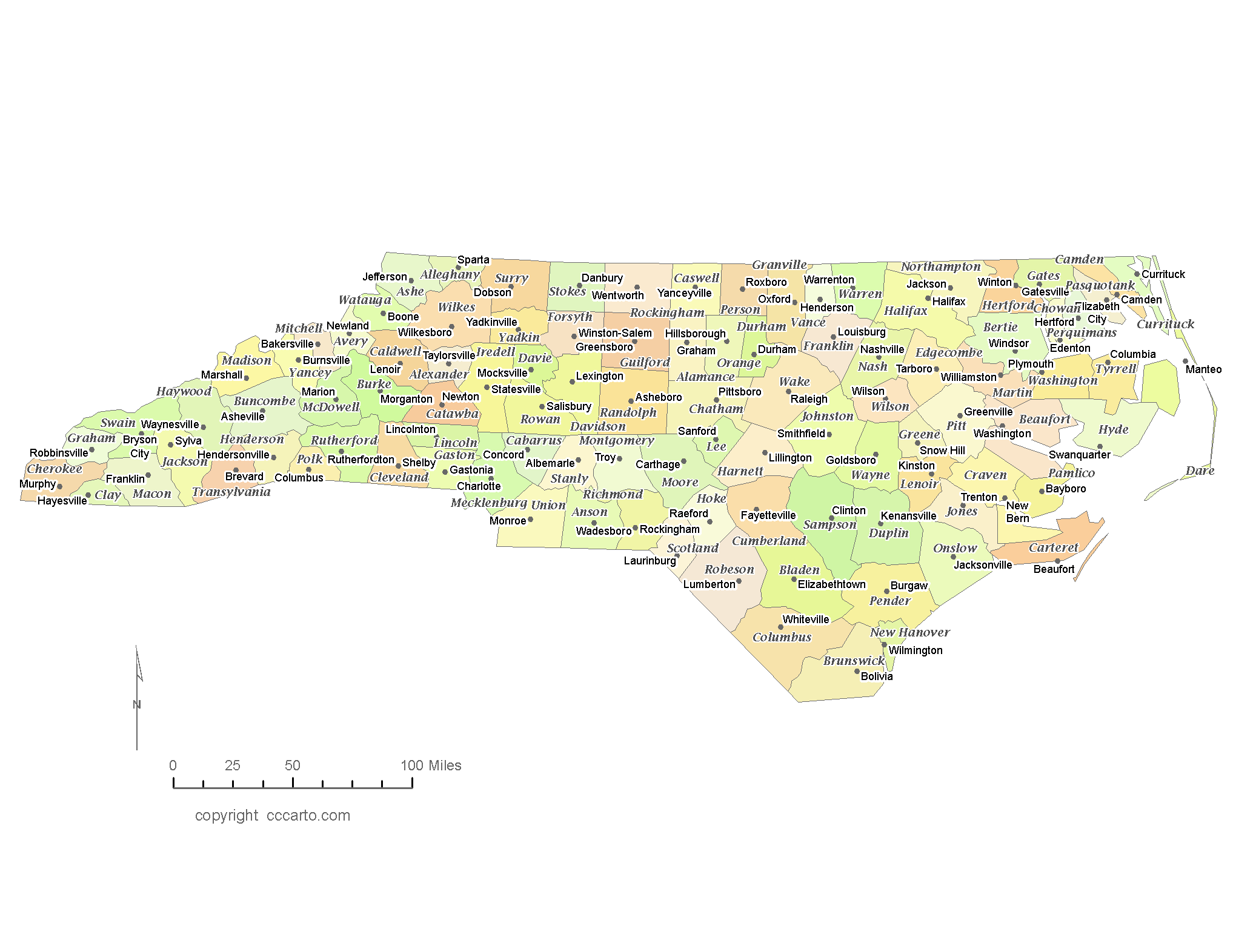
North Carolina is home to numerous charming county seats that are rich in historical architecture and natural beauty. Among these, some stand out for their photogenic qualities and picturesque settings.
1. Historic Court Houses and Clock Towers In Henderson County, the county seat of Hendersonville features a classic courthouse that reflects the area's historical charm. The courthouse, built in the early 20th century, stands as a fine example of neoclassical architecture, complete with a grand clock tower that provides a touch of elegance. Hendersonville is also known for its vibrant downtown area, which hosts various events and festivals throughout the year, adding to its appeal.
2. Bandstands and Park Settings The county seat of Mecklenburg County, Charlotte, is renowned for its modern skyline, but it also features beautiful green spaces like Independence Park and Freedom Park. The latter, with its scenic lake and open areas, hosts a bandstand that is used for various community events and concerts. Charlotte’s blend of contemporary and historic elements offers plenty of opportunities for photography.
3. Rivers and Streams In Buncombe County, Asheville stands out with its scenic location along the French Broad River. The city’s courthouse and other historic buildings are complemented by the river’s flowing waters, creating a picturesque backdrop. Asheville’s downtown area is vibrant, with a mix of historic buildings and modern amenities, and the city is well-known for its beautiful parks and natural surroundings.
4. Historic Districts Cabarrus County’s seat, Concord, is known for its well-preserved historic district, featuring a courthouse with a striking clock tower. Concord's downtown area includes a bandstand and charming public squares that are perfect for capturing the essence of small-town Southern charm. The city also has several parks that are ideal for leisurely walks and outdoor photography.
5. Rural Charm Warren County’s seat, Warrenton, offers a more rural charm with its historic courthouse and quaint downtown area. The courthouse, built in the 19th century, is a focal point of the town’s historic district. The presence of small streams and nearby parks adds to the area’s photogenic appeal, making it a picturesque spot for those interested in capturing the beauty of North Carolina’s rural landscapes.
6. Southern Elegance Pitt County’s seat, Greenville, combines modern development with historical elegance. The Pitt County Courthouse, with its traditional architecture, stands out in the downtown area. Greenville’s scenic locations include several parks and green spaces that add to its photographic appeal, while the nearby Tar River provides a natural element to the city’s aesthetic.
7. Largest and Smallest Counties by Population In terms of population, Wake County is the largest, with its seat being Raleigh. Raleigh, a major city with a rich history and numerous landmarks, reflects Wake County’s significant population. On the other hand, Tyrrell County is the smallest in terms of population, and its county seat, Columbia, reflects its smaller size with a more intimate and tranquil setting. Columbia’s courthouse and local buildings offer a charming glimpse into the life of a small North Carolina town.
8. Largest and Smallest County Seats by Population Among county seats, Charlotte is the largest in population, embodying a bustling cityscape with a mix of modern and historic elements. Manteo, the seat of Dare County, is one of the smallest in population but offers picturesque settings along the waterfront and charming historic buildings, showcasing North Carolina's coastal beauty.
These county seats in North Carolina offer a range of scenic and historical features that make them ideal for photography and tourism, each reflecting the unique character of their regions.