U.S. Offshore Wind: From Momentum to Regulatory Volatility
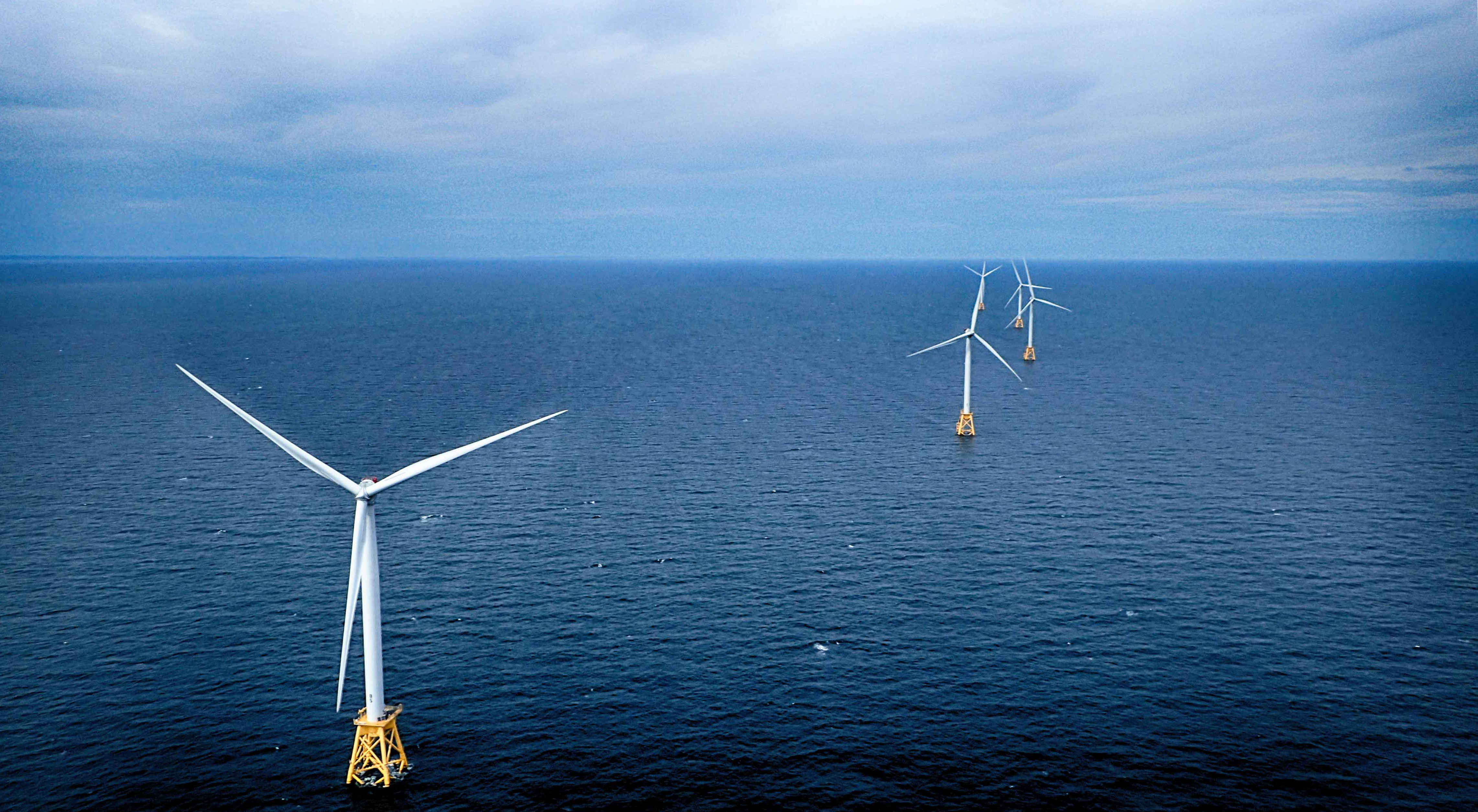
The development of offshore wind farms along the U.S. East Coast gained significant momentum in the early 2010s, marked by the success of the Block Island Wind Farm in 2016. However, by 2025, the industry entered a period of intense regulatory and financial volatility. Following the 2024 election, the current administration moved to deprioritize offshore wind as part of a broader "America First" energy strategy.
On January 20, 2025, a presidential memorandum was issued that effectively froze all new offshore wind leasing and permitting, triggering a comprehensive review of the industry's impact on national security, maritime navigation, and local economies.
Federal Funding and Tax Credit Retractions
This policy shift included significant funding withdrawals. In August 2025, the Department of Transportation retracted approximately $679 million in federal grants previously allocated for port revitalizations and infrastructure supporting wind projects in states like California, Virginia, and New York.
Furthermore, new budget legislation accelerated the sunsetting of federal tax credits, moving the expiration date from 2032 to 2030 and requiring projects to begin construction by July 2026 to remain eligible. These actions, combined with high interest rates and supply chain inflation, led several major developers to pause or withdraw from planned projects, citing "regulatory unpredictability."
Stop-Work Orders and Litigation
In December 2025, the administration issued a sweeping stop-work order for the five major projects already under construction—Vineyard Wind 1, Revolution Wind, Coastal Virginia Offshore Wind, Sunrise Wind, and Empire Wind—citing classified reports regarding national security risks and radar interference.
This sparked a wave of litigation from state governments and energy companies. By early 2026, federal courts began striking down these stop-work orders, ruling that the administration had not provided sufficient evidence of "imminent risk" to justify halting multi-billion dollar projects that were, in some cases, over 80% complete.
Technical Foundations and Grid Integration
Despite these political headwinds, the technical fundamentals of the industry remain advanced. Turbines are typically anchored to the ocean floor using various methods depending on depth.
In shallow waters, monopile foundations are standard, while deeper sites utilize gravity-based or floating platforms. The electricity generated is transmitted to shore via subsea cables that are buried in trenches for protection. High-voltage offshore substations convert this energy for the grid, allowing modern turbines—some reaching heights of over 600 feet—to power hundreds of thousands of homes.
Environmental Scrutiny and Industry Future
Environmental and safety monitoring continues to be a focal point of the debate. While studies suggest that turbine structures can act as artificial reefs and enhance local ecosystems, the current administration has increased scrutiny regarding the noise impacts of construction on marine mammals, such as the North Atlantic Right Whale.
As of 2026, the U.S. offshore wind sector remains in a state of "legal hibernation." The future of the industry is largely dependent on the outcome of ongoing court battles over federal permitting authority and the restoration of investment certainty for the 20-to-25-year lifecycle of these assets.