Restore Hetch Hetchy: Uncovering a Glacial Masterpiece
Introduction
Hetch Hetchy Valley, nestled within Yosemite National Park, represents one of the most significant environmental restoration opportunities in the world. Originally a glacier-carved twin to Yosemite Valley, complete with towering granite relief and a vibrant, meandering river, its physical topography was submerged by the O’Shaughnessy Dam in 1923. Today, a growing movement seeks to drain the reservoir, remove the dam, and restore the valley's natural base imagery and complex ecosystems.
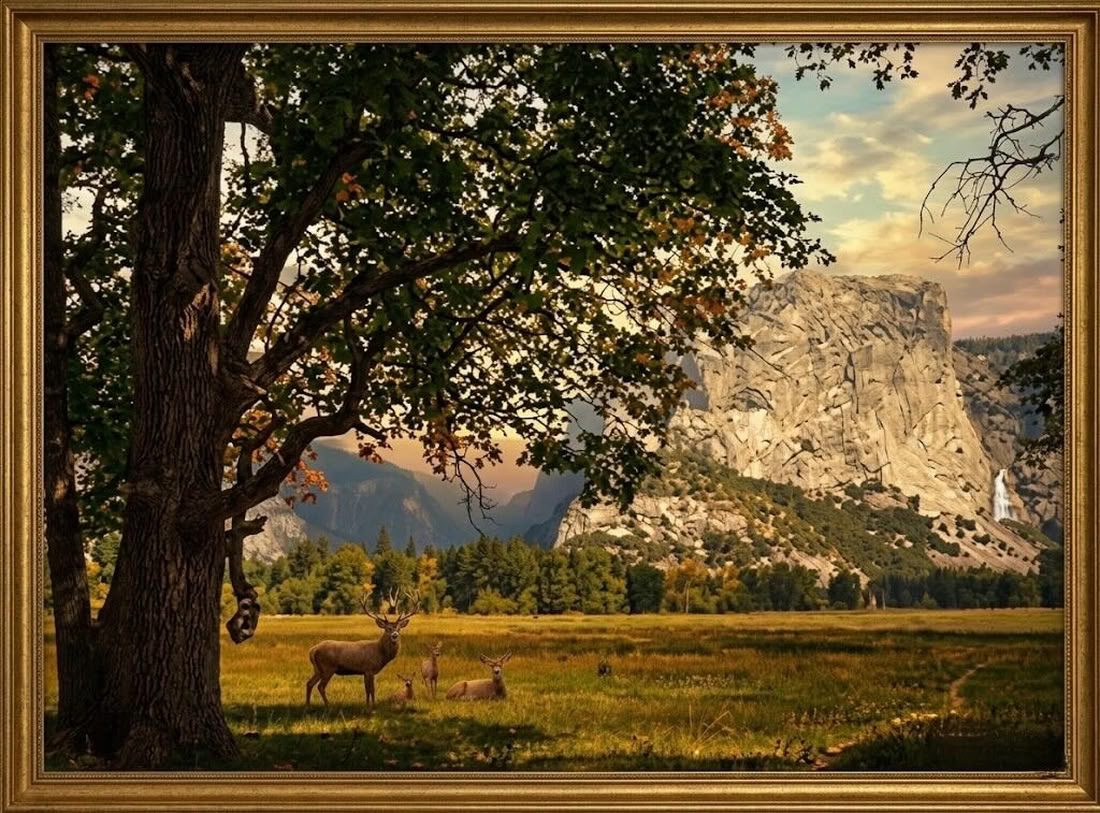
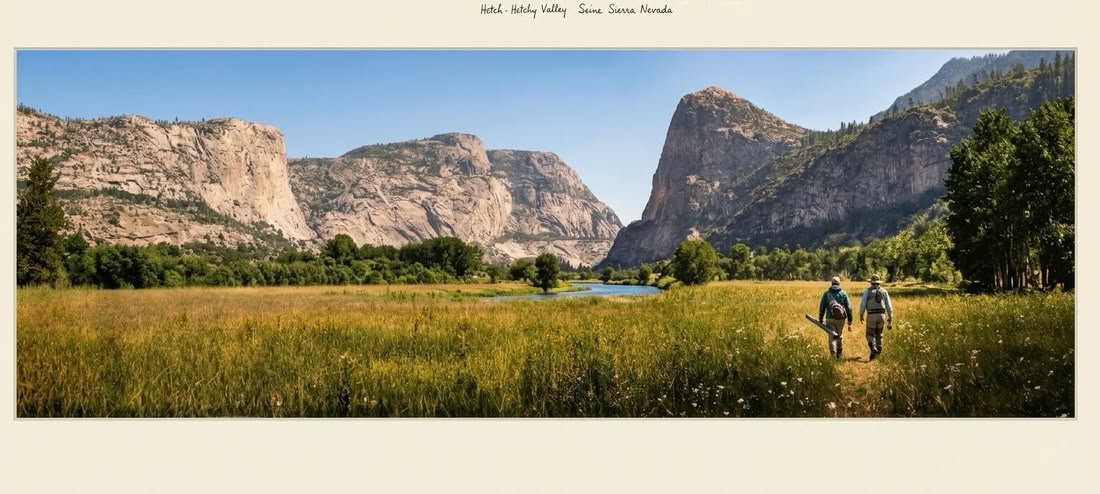
The natural beauty of Hetch Hetchy Valley before it was flooded.
Geology and the Hidden Valley Floor
Beneath hundreds of feet of water lies a pristine geological foundation. Hetch Hetchy shares the same dramatic shaded relief as Yosemite Valley, characterized by steep granite monoliths plunging into a flat, U-shaped base. For thousands of years, this terrain supported indigenous peoples, including the Miwok and Paiute tribes. Draining the reservoir would expose the original topographic contours of the valley floor, allowing natural meadows, forests, and wildlife to reclaim the exposed granite and sediment.
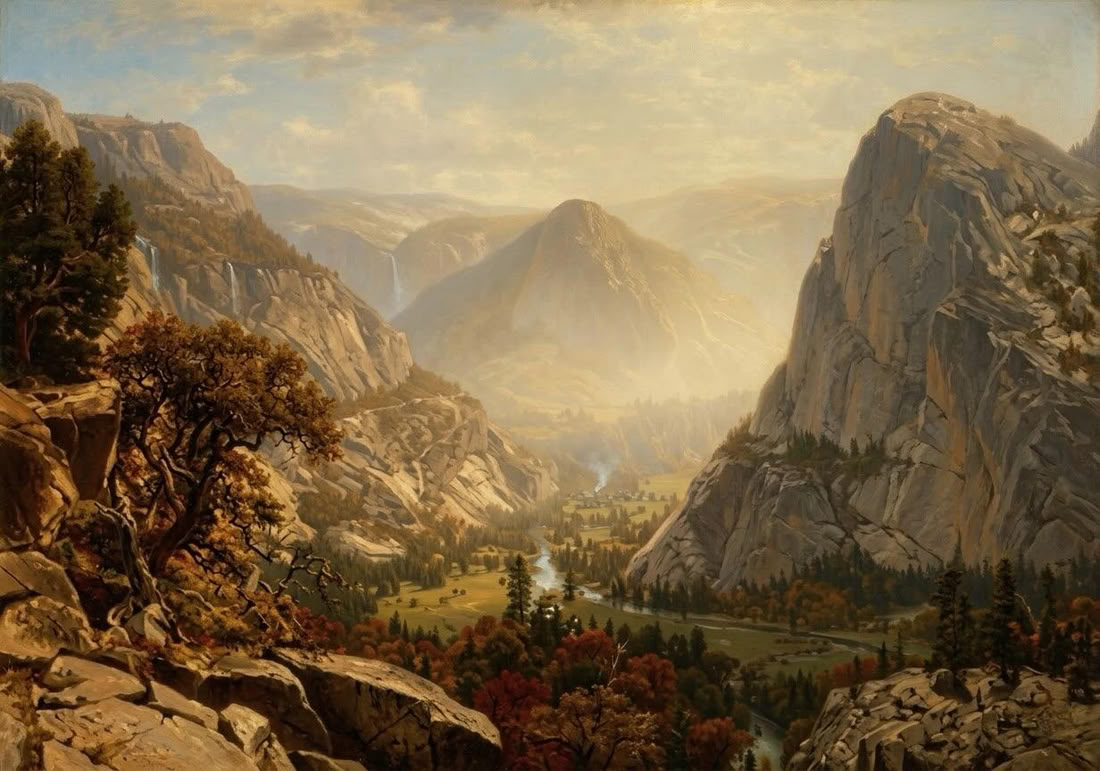
Overview of Hetch Hetchy Valley pre 1920s.
The Movement to Restore Hetch Hetchy
The damming of Hetch Hetchy was fiercely opposed by early conservationists like John Muir. Over a century later, the campaign to restore the valley has gained modern momentum. Proponents of dam removal argue that water storage and hydroelectric power can be seamlessly relocated to existing reservoirs downstream, such as Don Pedro, without losing a drop of San Francisco's water supply. Removing the O’Shaughnessy Dam would represent a monumental triumph of environmental restoration, returning a lost national park to the public.
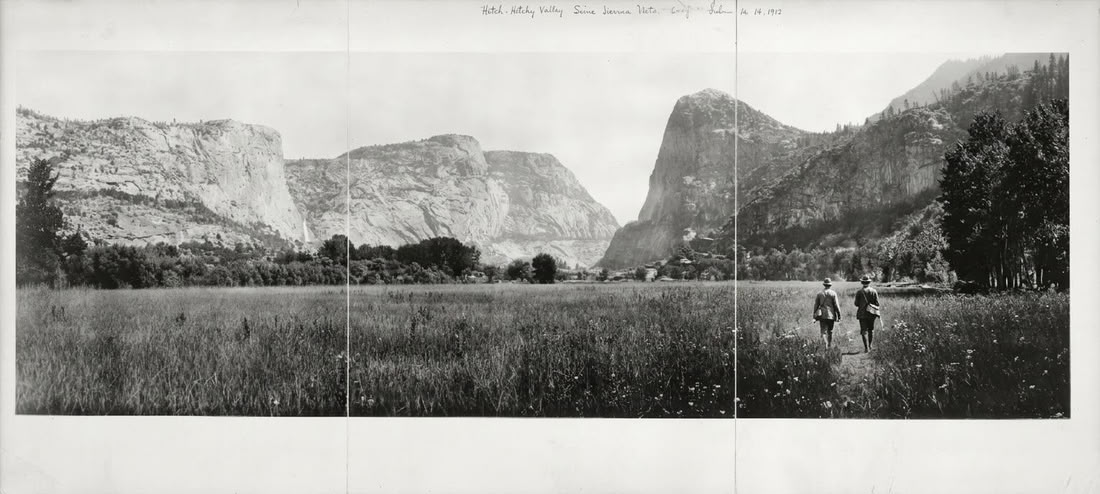
Overview of Hetch Hetchy Valley meadows and floor pre 1920s.
Reviving the Tuolumne River Hydrography
A core element of the restoration is the revival of the Tuolumne River. Currently halted by the dam, the river acts merely as an inflow for a static reservoir. Removing the dam would restore the natural hydrography of the region, allowing the river to flow freely through the valley once more. This would re-establish natural floodplains, revitalize riparian habitats, and bring the dynamic sound and movement of rushing water back to the canyon floor, fundamentally altering the physical map of the park.
Fisherman in the Valley Floor pre 1920s.
What once was could be again if restored.
The Future of Yosemite's Twin
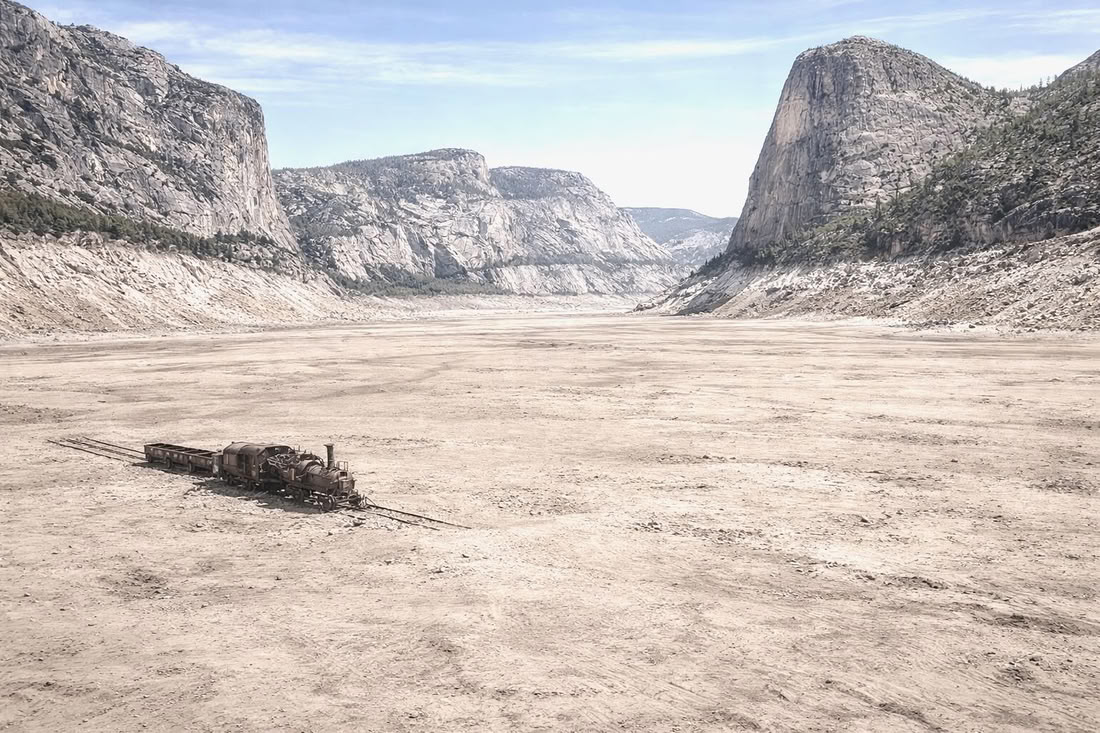
Restoring Hetch Hetchy is a vision of mapping a new future for Yosemite. Studies indicate that upon draining the reservoir, the valley floor would begin recovering almost immediately. Grasses and native vegetation would take root in the exposed sediment, eventually giving way to oak and pine forests. Ultimately, it would provide an unparalleled opportunity to study the rebirth of a high-sierra glacial valley in real-time.
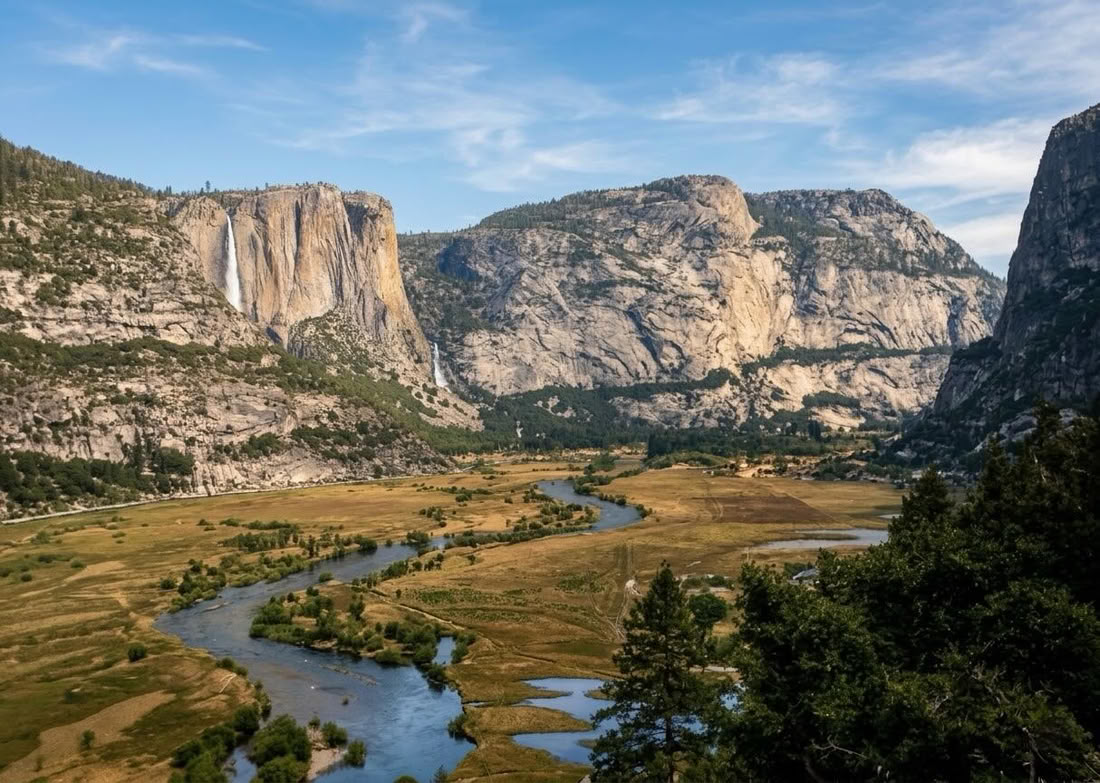
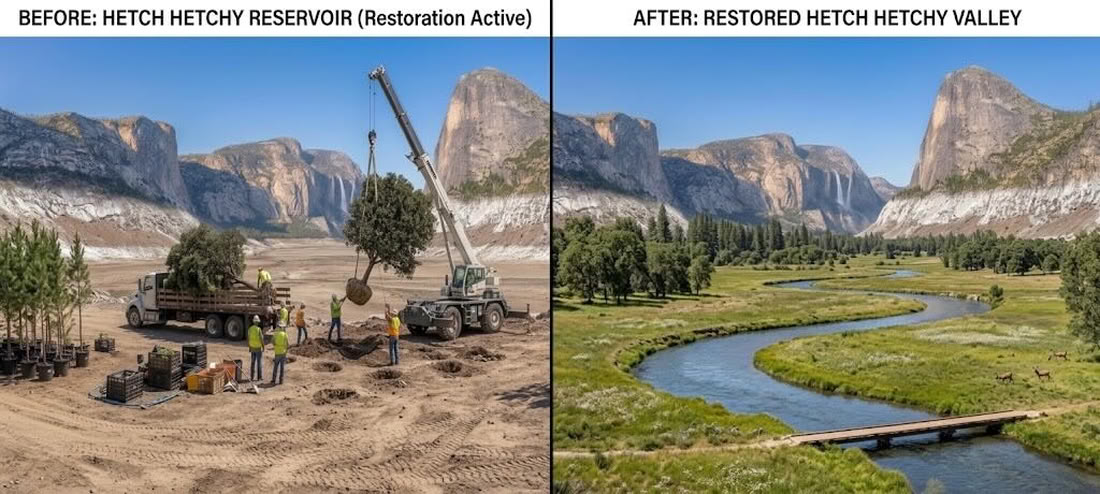
What a drained Hetch Hetchy Reservoir might look like before restoration.
As the climate shifts, the fundamental math that justified the O'Shaughnessy Dam in 1913 is changing.
Here is a breakdown of how a future with diminished snowpack impacts the Hetch Hetchy system, and how it could indeed shift the scales toward removing the dam.
The "Snow Drought" Problem
Hetch Hetchy, like many high-Sierra reservoirs, was designed for a specific climate reality: massive, slow-melting snowpacks. The snowpack effectively acts as a giant, natural reservoir that slowly releases water into the Tuolumne River hydrography well into the dry summer months.
With climate change, California is experiencing:
More Rain, Less Snow: Precipitation is falling as rain, which runs off immediately and forces reservoirs to release water early in the year for flood control, rather than storing it for the summer.
Earlier Melts: What snow does fall melts much earlier in the spring, leaving the late summer and fall dangerously dry.
If the reservoir becomes an unreliable "bathtub" that rarely reaches capacity because the snowmelt is gone, its value as a keystone piece of infrastructure dramatically decreases.
The Shift to Alternative Water Sources
If Hetch Hetchy can no longer guarantee San Francisco's water security, the city will be forced to adapt.
Desalination: As you mentioned, this is a drought-proof option. However, it is currently very expensive and highly energy-intensive.
Water Recycling & Groundwater: A more immediate and cost-effective solution gaining massive traction in California is advanced water purification (recycling wastewater to drinking standards) and capturing stormwater to recharge local aquifers.
Downstream Storage: Advocates for restoring Hetch Hetchy have long pointed out that the Tuolumne River flows into the massive Don Pedro Reservoir downstream. By expanding capacity or changing management there, San Francisco could theoretically store its water outside the national park without losing a single drop of its allocation.
The Dam Removal Paradox: Would it happen?
If San Francisco successfully transitions to alternative, climate-resilient water sources, the possibility of removing the O'Shaughnessy Dam becomes much more viable.
The Case For Restoration: If the city no longer absolutely needs the reservoir for survival, the environmental and moral cost of keeping a spectacular glacial valley submerged becomes incredibly hard to justify. Draining the reservoir would be a monumental victory for conservation. It would reveal the original, complex physical topography of the valley floor and allow the natural hydrography of the Tuolumne River to carve its way through the landscape once again—reclaiming a majestic terrain defined by natural shaded relief rather than a static, artificial water line.
The Political Reality (The Pushback): The counter-argument is that in a hyper-drought future, water agencies tend to fiercely protect every single gallon of existing storage. Even if Hetch Hetchy is only 40% full, officials may argue that giving up any gravity-fed, high-elevation storage is too risky.
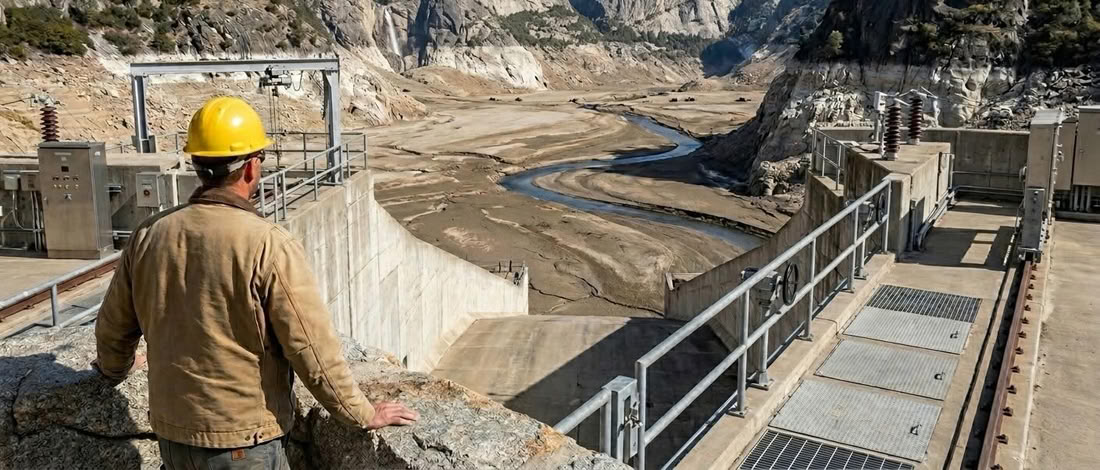
Removing O'Shaughnessy Dam and valley drained.
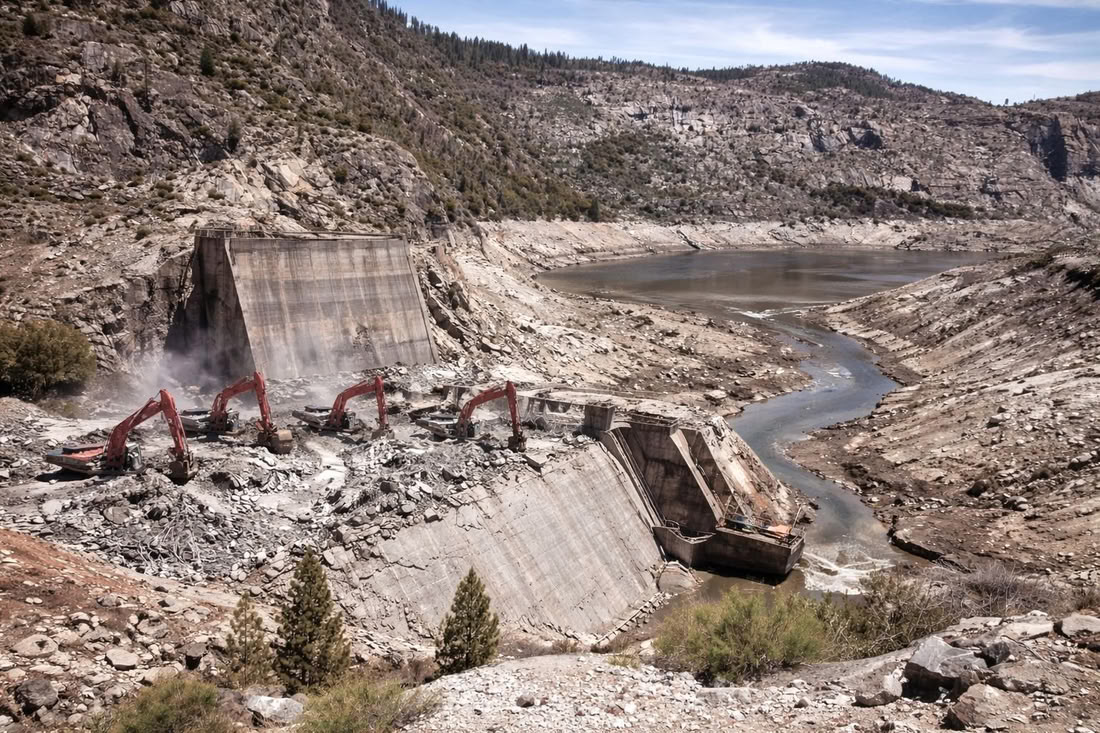
Removing O'Shaughnessy Dam with heavy machines and explosives.
Before and after restored Hetch Hetchy Valley.
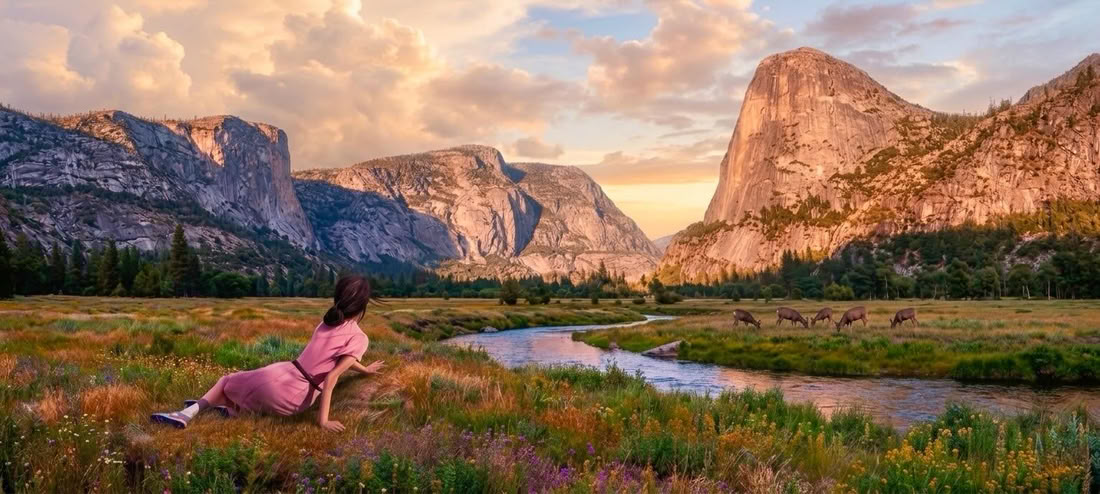
Enjoying restored Hetch Hetchy Valley.
Ultimately, for the dam to be removed, the alternative water sources wouldn't just need to be built; they would need to prove themselves so robust and reliable that the political fear of giving up Hetch Hetchy evaporates entirely.
Topographic Landmarks of a Restored Hetch Hetchy
1. Hetch Hetchy Valley Floor
Feature Type: Glacial valley floor Elevation: Approximately 3,800 feet. Restoration Impact: Removing the dam will expose the vast, flat basin of the valley, revealing layers of sediment and restoring the base elevation of the canyon. Comparison to Yosemite Valley: Once exposed, it will mirror Yosemite's sprawling meadows, flanked by towering granite walls.
2. Kolana Rock
Feature Type: Granite monolith Elevation: 5,772 feet Restoration Impact: Currently rising from the water line, draining the reservoir will reveal the massive base of this monolith, fully exposing nearly 2,000 feet of sheer, un-submerged vertical relief. Comparison to Yosemite Valley: Comparable to El Capitan, acting as the valley's southern sentry.
3. Tueeulala Falls
Feature Type: Seasonal waterfall Elevation: Drops approximately 880 feet. Restoration Impact: Instead of splashing into a deep reservoir, the falls will once again cascade all the way down to the valley floor, weaving through newly grown meadows to join the Tuolumne River. Comparison to Yosemite Valley: Similar to Bridalveil Fall for its elegant, slender cascade.
4. Wapama Falls
Feature Type: Perennial waterfall Elevation: Drops approximately 1,080 feet in multiple tiers. Restoration Impact: The massive energy of Wapama Falls will be fully realized as its base is exposed, allowing the water to carve through the restored landscape rather than simply dissipating into the reservoir. Comparison to Yosemite Valley: Comparable to Yosemite Falls, fueled heavily by the northern watershed.
5. The Tuolumne River
Feature Type: Wild and Scenic River Elevation: Natural channel at 3,800 feet. Restoration Impact: The hydrography of the valley will be completely transformed. The river will reclaim its historic meandering channel across the valley floor, supporting distinct riparian zones and diverse aquatic life. Comparison to Yosemite Valley: Comparable to the Merced River, acting as the lifeblood of the newly exposed ecosystem.
6. La Conte Point
Feature Type: Granite promontory Elevation: Approximately 4,000 feet Restoration Impact: The full scale of this formation will be returned to view. Its currently submerged base will dramatically increase the perceived depth and scale of the north rim's topography. Comparison to Yosemite Valley: Comparable to Cathedral Rocks for its striking position on the valley rim.
7. The Lost Meadowlands
Feature Type: Floodplains, meadows, and forests Elevation: 3,800 feet (valley floor) Restoration Impact: These features will be the star of the restoration. Decades of submerged sediment will form the foundation for vast native grass meadows, oak woodlands, and the return of historic Miwok sites. Comparison to Yosemite Valley: Similar to Cooks Meadow and El Capitan Meadow, becoming a primary habitat for returning wildlife.